


Authentic skincare in Kuwait: a buyer's guide
Buying skincare in Kuwait often means planning delivery around work, errands and a hot journey home. Give yourself a moment to identify and inspect the product before it joins the bathroom shelf or travels in a handbag all afternoon. A clear sourcing promise is useful, and a clear record of your own purchase makes it easier to resolve any question afterward.
The sourcing commitment at Cicabelle
Cicabelle sells 100% authentic products sourced through authorized or official distributors. The authenticity information is the place to read the store's explanation alongside the listing you intend to buy. Keep the exact product in view when you ask a follow-up question.
Authorized sourcing describes how the store obtains its products. It does not by itself establish a direct partnership between the store and every brand name on the website. A specific retail appointment, supplier identity or document would need its own confirmation. Avoid treating several different commercial claims as though they all mean the same thing.
For a shopper, the practical benefit is a more focused comparison. You can look at what a seller says about its supply route and ask about the item you want, without pretending that a photograph or logo reveals every stage of its history. Keep information tied to the purchase rather than collecting general assurances with no product attached.
Find the exact version you want
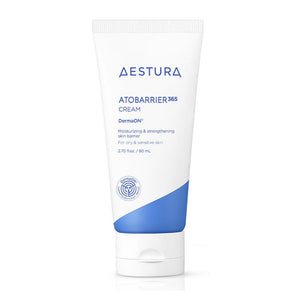
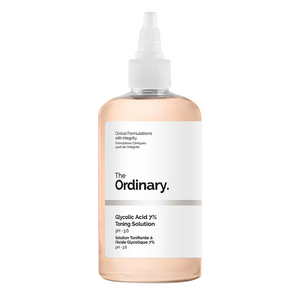
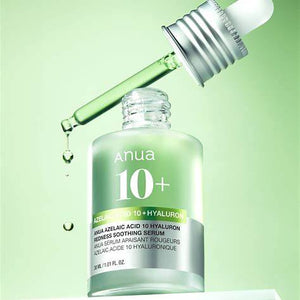
Write down the name, format and size before comparing prices or images. A moisturizing lotion and a cream may belong to the same range but still be different products. Similarly, a serum intended for the eye area is not identified fully by a shared brand name and bottle color.
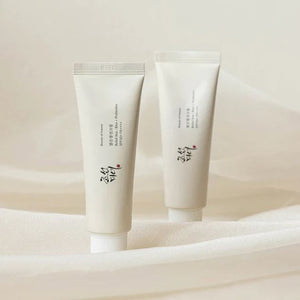
The CeraVe range and La Roche-Posay range help you locate familiar formulas. For Korean options, browse Beauty of Joseon or COSRX. Save the listing that matches your intended purchase so you can compare it with the delivered item later.
Check whether your reference is actually the same size and version. If an image differs, describe the difference rather than trying to make the packaging fit a memory of an older bottle. The right question might concern a label, a size or a product identity before it concerns sourcing.
Prepare a short purchase record
A note on your phone can hold the order reference, purchase date and product name. Add the listing image or description you used. This record does not need to include card information or unnecessary personal details; its purpose is to identify the item and connect it to the order.
If you ask about the product before buying, keep the answer with the same note. A specific response is easier to use later when you know which size and format it concerned. Without that connection, answers about two similarly named items can become difficult to distinguish.
There is no need to open multiple websites and treat their results as competing certificates. A product-specific question to the seller or manufacturer is a more direct way to clarify an unfamiliar marking. Keep the original wording of the answer instead of shortening it into a stronger claim than it actually makes.
Inspect the delivery while the details are together
Check the parcel and product condition
Look for visible leakage, damage or a concern about the packaging. Take a photograph before separating everything and discarding the carton. A damaged parcel is a condition issue that can be recorded directly; it does not automatically explain the origin of the product inside.
Keep identification readable
Photograph the name, volume and relevant manufacturer markings. Include the batch or lot code when present, any date wording and the part of the packaging where they appear. Do not scrape away a label or alter an uncertain letter just to obtain a result from an online checker.
Ask one clear question
Describe what you see and what you need clarified. For example, identify an unreadable date or a difference between the ordered size and the received size. Keeping the question narrow helps avoid a long exchange in which the product identity changes halfway through the discussion.
If a concern remains unexplained, keep the item unopened while you ask about it. Smell and texture comparisons with a video do not establish authenticity. They can also make it harder to show the original arrival condition. Preserve the carton and your photographs until the question has been addressed.
Make storage fit your Kuwait day
When a parcel arrives during work hours, plan for it to be brought into an appropriate indoor place. Do not leave it in the car while you complete a long series of errands. Read the storage directions for the exact product; a familiar brand name does not supply a universal temperature rule for everything it sells.
At home, choose the location according to the label rather than convenience alone. Keep products away from inappropriate heat or direct sun, and avoid assuming that every serum improves with refrigeration. If a container has leaked or looks unexpectedly changed, record that concern and seek guidance about the item.
For a weekend away, preserve the product information before moving a small amount into travel packaging. A plain jar cannot tell you which batch or formula it contains. Keep the original container and details so a later question about expiry or use does not turn into a guessing exercise.
Delivery, payment and returns for Kuwait orders
Kuwait delivery takes 2–3 business days. The delivery charge is KWD 5.033, with free delivery from KWD 18.681, and the maximum order value is KWD 85.214. Consider the complete order total when planning a purchase, especially if you are comparing several products or ordering before travel.
Payment options include card, Apple Pay, Google Pay, Tabby with four payments and Tamara with six payments. Keep your order confirmation available during delivery. These checkout arrangements are separate from the question of product sourcing, although both matter when choosing where to shop.
Returns are free within 365 days with a full refund. Keep the order information if you need to discuss a return or a product question. Do not assume that the return promise is an authentication test; it is a service arrangement alongside the store's sourcing commitment.
Use the information after opening too
Once the item is ready to use, note the opening date and retain any label instructions you need. Purchase date, first opening and a manufacturer date can all refer to different events. Keeping them separate helps you answer future questions without relying on memory.
An authentic product can still be the wrong choice for your skin. If you experience an unexpected reaction, stop the product and seek suitable advice as needed. A reaction does not by itself prove counterfeiting, just as correct packaging does not guarantee personal tolerance. Focus on the concern that needs attention.
Questions about original skincare in Kuwait
Does a high price establish authenticity?
No price can authenticate a particular bottle by itself. Identify the exact item and review the sourcing information instead of treating cost as a certificate.
Can I rely on a recognized batch code?
Recognition may help identify a batch format, but it does not establish every fact about the container you received. Keep the source, condition and date questions distinct.
What information makes a useful enquiry?
Provide the order reference, product name and size, relevant markings and clear photographs of the specific issue. Keep unrelated payment or personal information out of the exchange.
Should I discard the box immediately?
Keep it until you have inspected the item and recorded information that may be absent from the bottle. It can be useful if a question appears shortly after delivery.