


Skincare batch codes in Kuwait: what to check
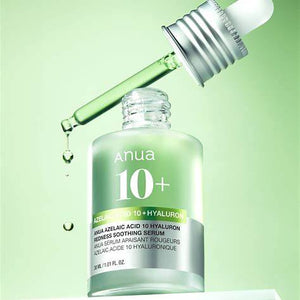
Two nearly identical serum bottles on a Kuwait bathroom shelf can make a code check confusing before you even start. Put the one you are checking beside its own carton, then photograph the markings in good indoor light. That small preparation is more reliable than copying a half-readable number after the packaging has been thrown away.
Decide which question you need answered
Are you trying to find the production batch, understand a printed date or remember when you opened the bottle? These are different questions. A batch code is an identifier for a production group, while your opening date belongs to your own use of the container. Neither should be substituted for the other.
Keep the purchase information separate too. An order number helps the shop locate a transaction, and a courier label concerns delivery. A barcode can identify a product. None of those automatically gives you the manufacturing interpretation of the smaller code you are trying to read.
A quick guide to the markings
| Mark or record | Main role | Useful next action |
|---|---|---|
| Batch / lot | Production identification | Photograph the exact characters |
| Clearly labeled manufacture date | When the item was made | Keep it distinct from expiry |
| Expiry statement | Labeled endpoint for use | Read the associated wording |
| Opening note | Your first opening | Save it with that specific bottle |
Inspect the container and box without removing labels. A code may be printed or embossed in different places, so check what is actually present instead of searching only the location used by another brand. If you cannot identify the right marking, keep a wider photograph that shows the whole package.
Five actions that make the answer clearer
1. Give the product a complete identity
Write the brand, full product name and size from the received item. Add your purchase reference if contacting the seller. An answer about a similarly named product can be misleading when you have a different format, so avoid shortening the identity to a brand name alone.
2. Preserve uncertainty instead of hiding it
Copy the code faithfully and identify any unclear character. The letter O and the digit 0 can be difficult to distinguish, as can a faint separator. Do not change the entry repeatedly until an external tool produces a date, then treat that result as confirmation of the original marking.
3. Take a readable pair of photographs
Use an overall image and a detail image. Move the light or angle if reflections hide the print, but keep the actual characters visible and unaltered. When the carton and bottle each have markings, photograph both and say which image belongs to which surface.
4. Ask the appropriate source
Use a brand's own code-help route if it offers one, or request clarification from the seller about the exact item. A public checker is not available for every brand. A decoding method for one manufacturer should not be applied to another simply because their codes have the same length.
5. Keep the reply attached to the record
Save the explanation with the images and note what it answers. A response identifying the code's location is not necessarily a response confirming a production date. Keeping the scope clear avoids a stronger conclusion appearing in your notes than the information actually supports.
Understand a lookup without overreading it
An external lookup may return a suggested date based on its own stored information. Without a confirmed method for the exact product and brand, the output should remain an interpretation to check. The precision of a displayed day or month does not prove that the underlying interpretation is correct.
A missing result is also limited information. It may leave you needing a direct explanation; it does not by itself determine expiry or authenticity. Ask about the photographed mark instead of assuming that the product must fit the website's available examples.
Even a correctly understood production code does not describe the individual bottle's journey or storage. Cicabelle's authentic products are sourced through authorized or official distributors; the authenticity information addresses that subject. Batch interpretation is useful alongside sourcing information, not as a replacement for every other question.
When a date needs clarification
Read the words next to the number before deciding what it means. Manufacture and expiry describe different points, and an unlabeled code is not automatically either one. If the date format is uncertain, include the nearby label text in the photograph you send.
Do not infer a product's expiry by adding a remembered number of years to a possible manufacturing date. That calculation needs product-specific information you may not have. Another serum from the same brand is not a substitute for the instructions belonging to this bottle.
Period-after-opening information requires your own first-opening date. If you bought a backup months before opening it, the receipt and the opening note will be different. Preserve both facts so a later review does not depend on guessing when you first removed the cap.
Build a record for a shared household
If more than one person uses similar skincare, keep an individual image for each container. Record the size, relevant code, clear expiry information, purchase reference and opening date. A photograph helps distinguish an older bottle from its replacement even when the names and colors are identical.
You can keep this as a short note rather than a complicated spreadsheet. Add an answer when you receive it and retain the wording that matters. Avoid moving a response between product records unless you are certain it refers to the same item and question.
For an enquiry, explain the uncertainty in ordinary language. Say that one character is unreadable, that a date has no clear label or that two markings need interpretation. A focused question with the actual images is easier to resolve than a list of dates from unrelated lookup sites.
Keep Kuwait storage outside the code calculation
A product can have a readable code without that code showing how long it sat in a hot car. Bring purchases to an appropriate indoor place and follow their storage directions. Record leakage, damage or an unexpected change as a separate concern about the item.
Office cooling does not reconstruct earlier storage conditions, and refrigeration is not a universal remedy. Use the label for the exact formula. If you transfer care into a travel container, retain the original name and markings so you do not lose the ability to ask an informed question later.
The skincare range and serum selection can help you locate the correct name. Once the product details are understood, the routine-order guide helps with morning and evening placement. Neither browsing nor a new purchase is necessary to make a careful record of what you already own.
Questions about batch checks in Kuwait
Why do two websites give different dates?
Their interpretations may use different information. Preserve the original marking and seek an item-specific explanation rather than selecting whichever result you prefer.
Can a code prove correct storage?
No. It identifies production information, while storage and the current condition of the bottle need their own consideration.
What if I cannot find any clear batch marking?
Photograph the package and ask where the relevant information appears for that product. Do not scrape labels or borrow the code from another bottle.
Does purchase date start every expiry calculation?
Purchase, manufacture, opening and printed expiry have distinct roles. Keep the actual instructions and dates for the individual item instead of combining them into one assumption.