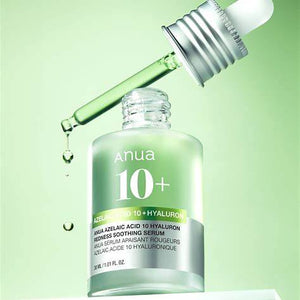


Search "best acne products UAE" and you'll find either miracle promises or lists written for a different climate. Here's the grounded version: acne in the Gulf has specific triggers — humidity, sweat, sunscreen layering, AC dryness that provokes more oil — and a routine that works here has a specific shape. These are the products we'd put in it, all stocked, authentic and shipped across the UAE.
The shape of a routine that works
Cleanse → treat → moisturize → protect. That's it — four steps, morning and night (protection in the morning, treatment at night). Most acne routines fail from doing too much: five actives, daily scrubs, stripped skin, more oil, more breakouts. Every product below slots into one of those four steps.
Step 1 — The cleanser
La Roche-Posay Effaclar Purifying Foaming Gel is the gentle benchmark — it cleans oily skin properly without the stripped-tight feeling that backfires. If you want salicylic acid built into the wash, CeraVe's Acne Foaming Cream Cleanser adds it with ceramides to protect the barrier.
Step 2 — The treatment (where results come from)
Effaclar Duo+ is the most dermatologist-recommended acne corrector in the pharmacy world — niacinamide plus targeted actives for spots, blackheads and the marks they leave. Apply it to the whole acne-prone zone nightly, not just individual spots.
For stubborn, inflamed breakouts, PanOxyl 10% Benzoyl Peroxide Wash is the heavy hitter — it kills acne bacteria on contact. Use it a few times a week in the shower (it can bleach towels and fabrics — rinse well), and moisturize after.
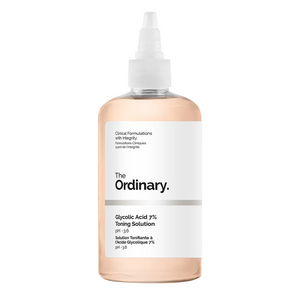
For blackheads and congested pores, add The Ordinary Salicylic Acid 2% Solution two or three nights a week — at its price, it's the best value active in the entire category.
Step 3 — The moisturizer (yes, you still need one)
Treated skin without moisture over-produces oil and breaks out more. Effaclar Mat hydrates while actively controlling shine through the day — built for exactly this skin type in exactly this weather.
Step 4 — The sunscreen (the step everyone skips)
Acne treatments make skin photosensitive, and unprotected UAE sun turns every healing spot into a months-long dark mark. A matte SPF 50 for oily skin every morning is what keeps cleared skin looking clear. This is the difference between "the acne is gone" and "you'd never know I had acne."
What to expect, honestly
Consistency beats intensity: most people see real improvement in 6–8 weeks, with marks fading over 2–3 months (faster if you're diligent with SPF — see our brightening edit for the mark-fading stage). If cystic or hormonal acne isn't responding after three months, that's a dermatologist conversation, not a stronger product.
Blackheads, whiteheads or inflamed spots? Match the active
- Blackheads & congestion: salicylic acid (BHA) — it's oil-soluble, so it cleans inside the pore. The Ordinary's 2% solution or CeraVe's SA cleanser.
- Red, inflamed pimples: benzoyl peroxide (PanOxyl) — kills the bacteria driving inflammation.
- Both at once (most people): Effaclar Duo+ nightly as the base, BHA or BP as the targeted add-on — not all three the same night.
- The marks left behind: that's pigmentation, not acne — niacinamide and the brightening edit take over once the spot is flat.
UAE-specific triggers worth fixing
- Sweat + friction: post-gym and under-abaya/hijab-line breakouts respond to a gentle cleanse as soon as practical after sweating — not harsher products.
- Comedogenic sunscreen: if breakouts track your SPF, switch to a non-comedogenic matte formula from our sunscreen edit rather than dropping protection.
- AC dehydration: tight, dried skin rebounds with more oil. The moisturizer step isn't optional — it's anti-acne.
- Pillowcases and phone screens: unglamorous, real. Weekly pillowcase changes and a wiped screen remove a constant re-inoculation source.
What NOT to do
- Don't scrub. Physical scrubs on inflamed skin spread bacteria and worsen marks. Chemical exfoliation (BHA) does the job without the damage.
- Don't spot-treat only. Treatments like Effaclar Duo+ work on the whole zone where acne forms — treating only visible spots means always being one step behind.
- Don't change everything weekly. Actives need 6–8 weeks. A routine changed every fortnight is permanently in its irritation phase.
- Don't pop. A spot lasts days; a picked scar lasts months — especially with UAE sun waiting to darken it.
When to see a dermatologist instead
Over-the-counter routines handle mild-to-moderate acne well. Book a dermatologist if you have: deep painful cysts, acne that scars, hormonal-pattern breakouts (jawline, cycle-linked) that ignore three months of consistent care, or acne alongside other symptoms. Prescription options work — and everything in this guide still supports them as the daily routine around treatment.
Frequently asked questions
How long until I see results?
Fewer new spots within 3–4 weeks, visibly clearer skin at 6–8, marks fading over 2–3 months with daily SPF. Screenshots your progress monthly — day-to-day comparison hides real change.
Can I use Effaclar Duo+ and salicylic acid together?
Yes, but alternate nights while your skin adjusts. If you add PanOxyl, keep it to the wash-off step a few times a week.
Are these products safe for teenage skin?
The cleansers and Effaclar Duo+ are commonly used from the teens up. Start with one product, low frequency, and involve a pharmacist or doctor for anyone under 16.
Is everything here authentic?
Yes — 100% of Cicabelle's stock comes from authorized distributors, never the grey market, with free UAE delivery over AED 80. Read verified customer reviews on reviews.cicabelle.com.
The bottom line
Cleanse gently, treat nightly with Effaclar Duo+ or salicylic acid, never skip moisturizer, and wear SPF 50 like it's part of the treatment — because it is. Browse the full acne & blemishes collection (70+ products, 100% authentic from authorized distributors, free UAE delivery over AED 80), and read verified customer experiences with La Roche-Posay on our reviews site.