

Retinol is the most proven anti-aging ingredient in skincare — decades of evidence for smoother texture, softer fine lines and clearer pores. It's also the ingredient people most often quit in week two, because nobody told them how to start. This guide covers exactly that, with the UAE-specific parts (sun, AC, humidity) most retinol guides skip — and honest beginner picks from what we actually stock.
What retinol actually does
Retinol converts in your skin to retinoic acid, which speeds up cell turnover and signals collagen production. Translation: fresher skin surfaces faster, and the support structure under it slowly rebuilds. Results follow a known timeline — texture improves in about 4–6 weeks, fine lines and acne marks in 8–12. Anyone promising a transformed face in a week is selling something else.
Which strength to start with
Percentages matter less than starting low and being consistent:
- True beginner: The Ordinary Retinol 0.2% in Squalane — the gentlest entry point, cushioned in squalane oil.
- Sensitive but committed: CeraVe Skin Renewing Retinol Serum — encapsulated retinol with ceramides, built to be tolerated.
- Ready for the benchmark: La Roche-Posay Retinol B3 — 0.3% pure retinol with vitamin B5, the pharmacy-grade standard.
- The K-beauty route: Medicube Deep Vita A — a gentle Korean formulation popular with first-timers.
The Ordinary's ladder (0.2% → 0.5% → 1%) is the tidiest upgrade path — move up only when the current strength causes zero reaction for a month. Browse all strengths in the anti-aging collection.
How to start (the low-and-slow protocol)
- Frequency: two nights a week for the first two weeks, then every other night, then nightly if your skin allows.
- Amount: a pea-sized drop for the whole face. More is not faster — it's just redder.
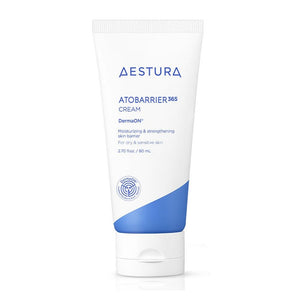
- Buffer: apply moisturizer before or after (or both) — see our hydration edit. UAE air-conditioning already dries skin; retinol without buffering compounds it.
- Night only: retinol degrades in sunlight and makes skin photosensitive.
- Expect the adjustment: mild flaking or tightness in weeks 1–3 is normal; stinging or persistent redness means slow down, not push through.
The UAE rule that isn't optional
Daily SPF 50. The Gulf sun undoes retinol's collagen work faster than the retinol can do it, and newly-surfaced skin burns and pigments more easily. If you won't wear sunscreen daily, retinol will work against you — that's the honest trade.
What not to mix (at first)
Skip strong exfoliating acids (glycolic, high-strength salicylic) and benzoyl peroxide on retinol nights while you're adjusting — alternate nights instead. Niacinamide, hyaluronic acid, ceramides and peptides are all safe companions from day one. And retinol is not for use during pregnancy — ask your doctor about alternatives like azelaic acid.
What the first eight weeks actually look like
- Weeks 1–2: possibly nothing, possibly mild dryness or flaking around the nose and chin. Both are normal. Keep the two-nights-a-week rhythm.
- Weeks 3–4: the adjustment phase — some people get small breakouts as turnover speeds up ("purging"). It passes; don't add new products to fight it.
- Weeks 5–8: texture visibly smoother, pores look cleaner, makeup sits better. This is when most people become believers.
- Week 12+: fine lines and acne marks measurably softer. This is the timeline the clinical studies actually used — judge retinol here, not at day ten.
Retinol myths, corrected
- "Retinol thins your skin." The opposite — it thickens the living layers by building collagen. The flaking is old surface cells leaving faster.
- "You can't use it in a hot country." You can, year-round — heat isn't the issue, unprotected sun is. Nightly use + morning SPF 50 works exactly the same in Dubai as in Paris.
- "Stronger is better." A 1% you use twice before shelving loses to a 0.2% you use for a year. Irritated skin also can't tolerate the consistency that produces results.
- "Eye cream retinol is a gimmick." The eye area shows aging first and tolerates less — a dedicated formula like Some By Mi's Retinol Intense Eye Cream delivers the ingredient at a strength that zone can handle.
Building the rest of the routine around it
Retinol nights: gentle cleanser → retinol → moisturizer (or moisturizer first if sensitive). Off nights are for your other actives — exfoliating acids or vitamin C and brightening treatments. Mornings never change: antioxidant if you use one, moisturizer from the hydration edit, SPF 50. That three-part structure — retinol nights, active nights, protected mornings — is the whole architecture of an effective routine.
Frequently asked questions
What age should I start?
Mid-twenties for prevention is the common advice, but retinol improves skin at 25 or 55. The better question is whether you'll commit to the routine — including daily sunscreen.
Can I use retinol if I have acne?
Retinoids are a first-line acne treatment — they clear pores and prevent new spots. Start gently and see our acne edit for the supporting cast; introduce one active at a time.
Retinol or vitamin C — which first?
You don't have to choose: vitamin C mornings, retinol nights. If budget says one, pick by goal — dark spots lean vitamin C, lines and texture lean retinol.
Is retinol safe during pregnancy?
No — all retinoids should be paused during pregnancy and breastfeeding. Azelaic acid is the usual derm-approved swap; ask your doctor.
The bottom line
Start at 0.2%, two nights a week, buffered with moisturizer, with SPF 50 every morning — and judge nothing before week eight. That's the entire secret. Every retinol we stock is 100% authentic from authorized distributors, delivered free across the UAE over AED 80. See what customers say about The Ordinary's range on our reviews site.